


7jl | The Enduring Appeal of Strategy Games: A Haven for Tactical Minds
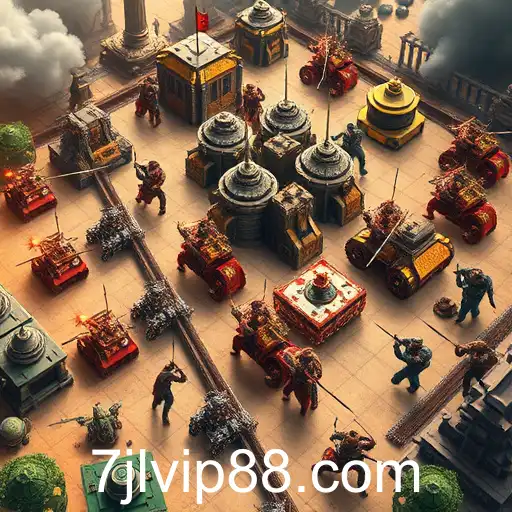
In the vast landscape of the gaming world, strategy games have carved a distinct niche that both challenges and captivates players globally. With roots tracing back to the earliest days of digital entertainment, this genre has evolved profoundly, adapting with technological advancements and changing gamer preferences. The hallmark of strategy games lies in their demand for tactical planning and cerebral decision-making, often requiring players to engage in resource management, strategic combat, and long-term planning to achieve victory.
The essence of strategy games is embedded in their diversity. Whether it's the intense action of real-time strategy (RTS) titles or the meticulous planning required in turn-based strategy (TBS) games, the genre offers something for every kind of strategist. Titles such as 'Civilization' and 'Starcraft' have become iconic, each offering unique challenges and immense replayability. These games cater to those who find satisfaction in outsmarting opponents through clever tactics and resourceful planning.
One of the defining features of strategy games is their ability to simulate complex scenarios, often reflecting real-world dynamics. They provide a sandbox environment where players can test theories and strategies without real-world repercussions. This aspect has made them particularly appealing for those who enjoy warfare simulations or managing intricate civilizations. By simulating governance, diplomacy, and conflict, they offer a nuanced experience that few other genres can match.
Moreover, the strategic gaming community is one characterized by its diversity and passion. From casual home gamers to competitive esports enthusiasts, strategy games attract a broad audience. Online multiplayer modes have enhanced this aspect, allowing players to test their skills against others worldwide, fostering a community that thrives on sharing tactics and experiences.
As technology continues to progress, the future of strategy games looks promising. Virtual and augmented reality offer exciting possibilities for more immersive experiences, potentially transforming how players interact with game environments. Strategy games have always been at the forefront of innovation, and as the medium evolves, so too will the strategies players employ to conquer the virtual worlds they inhabit.
In conclusion, the allure of strategy games lies in their ability to blend intellectual stimulation with exhilarating gameplay. They remain a testament to the creative potential of game developers and the endless curiosity of players. Whether you're a seasoned strategist or a newcomer curious about what the genre offers, strategy games continue to provide rich and rewarding experiences that are enduring and ever-evolving.
